Inside Slow Ventures: Fund Strategy, Size, and Discipline Explained

Slow Ventures partner Sam Lessin shares how emerging VC managers can think clearly about fund strategy, size, LP composition, and capital efficiency when building a durable seed fund.
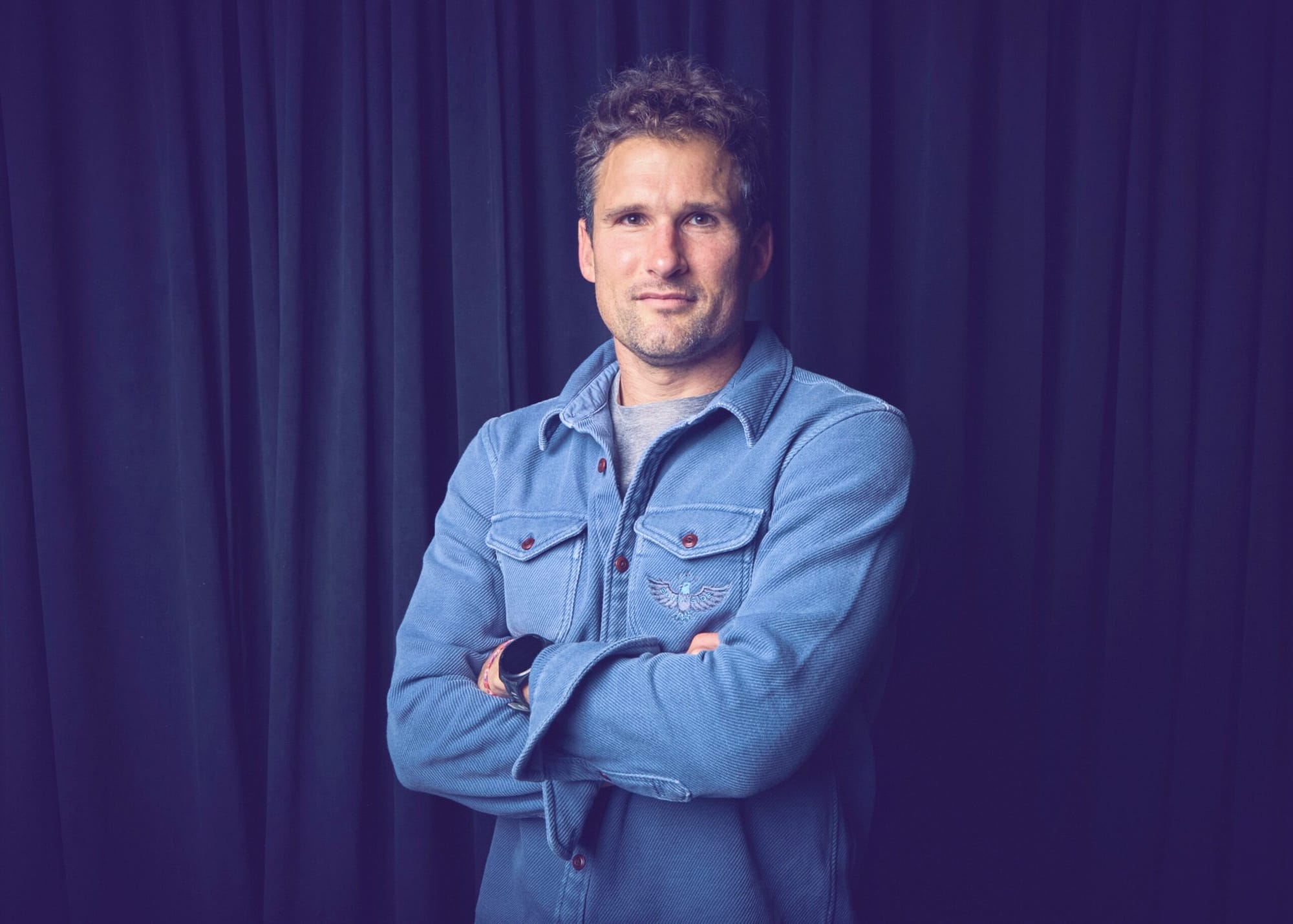
For emerging fund managers, one of the hardest questions to answer is deceptively simple: What kind of fund are you building, and why should it exist?
According to Sam Lessin of Slow Ventures, most funds struggle not because they lack access or intelligence, but because they never align their strategy, incentives, and structure from the start.
In this episode of How I Raised It, Sam walks through how Slow Ventures evolved from an informal angel collective into a multi-fund platform, why they chose to remain a disciplined generalist seed fund, and what emerging managers often misunderstand about fund size, LP dynamics, and capital efficiency.
For anyone building or planning to build a venture fund, there are several lessons here that are easy to miss and hard to unlearn later.
Generalist vs Specialist Is Not About Taste. It’s About Discipline
Slow Ventures is unapologetically generalist. They invest across SaaS, fintech, crypto, healthcare, and newer categories like the creator economy. That choice is often misunderstood as a lack of focus.
Sam argues the opposite.
A generalist strategy only works if the fund is extremely disciplined about what it is looking for. Pattern matching across verticals, across business models, and across founders requires a tight buy box and clear internal metrics.
In Sam’s view, funds that lock themselves into a single theme often create a structural problem. Markets move in cycles. There are seasons where an entire category becomes unattractive. A specialist fund that has publicly committed to investing in one space may feel forced to deploy capital even when the timing is wrong.
A disciplined generalist fund can wait. It can shift attention without changing its identity. That flexibility, Sam argues, is a long-term advantage.
Your Buy Box Defines Who You Are
Slow’s investment strategy is unusually precise for an early-stage firm.
They write checks in a narrow range, typically $1 to $3 million, aiming for roughly 10 percent ownership. They avoid board seats. They do not chase marginal allocations or over-optimize for control.
Sam’s point is that metrics are destiny. The size of your checks, the ownership you target, and the stage you commit to will quietly dictate everything else about your fund. Who you meet. What deals you can win. How much capital you can deploy responsibly.
For emerging managers, this is a helpful reminder. Your strategy is not what you write in a deck. It shows up in the choices you are forced to make every day.
Early LP Pitches Are About Proof, Not Storytelling
One of the most useful parts of the conversation is Sam’s breakdown of how the LP pitch changes over time.
In the early days, there is no track record to hide behind. The pitch is simple and uncomfortable: we think we are smart, and we think we have access. The burden is on the GP to prove both.
Sam is skeptical of resumes and pedigree on their own. What mattered more for Slow in Fund I were intellectual receipts. Writing. Public thinking. Early angel investments that showed being early and being right.
As funds mature, the pitch gets easier and harsher at the same time. Either you have made money or you have not. Either the fund still has a credible path to returns or it does not. At that point, LP fit becomes less about persuasion and more about alignment.
The takeaway for emerging managers is clear. Before performance speaks for you, your thinking has to.
Why Fund Size Matters More Than Most GPs Admit
Slow Ventures has deliberately kept its core seed funds in the $100 to $200 million range. That choice is not about comfort. It is about math.
Sam walks through a simple but sobering reality. To generate meaningful returns on a $200 million seed fund, you need ownership in very large outcomes, and you need capital efficiency to avoid being diluted out of them. At $400 million, the bar becomes exponentially harder to clear.
On the other end of the spectrum, sub-$100 million funds face a different problem. Too few shots on goal. Not enough capital to defend positions. Limited ability to follow on into winners.
For emerging managers, this is an important reality check. The size of your fund quietly determines what kinds of outcomes are even possible.
Capital Efficiency Is the Silent Driver of Seed Returns
One of Sam’s strongest points is about capital consumption.
Seed investing works best when businesses can grow without endless capital infusions. Companies that require massive follow-on funding, even if they become iconic, often generate lower returns for early investors than expected.
Sam contrasts capital-intensive companies like OpenAI with extremely capital-efficient successes like Solana. Both can be transformative. Only one reliably produces outsized seed-stage returns.
This is why Slow reserves significant capital for follow-ons and pays close attention to how much capital a company will need to succeed. Ownership without the ability to defend it is fragile.
LP Composition Evolves, and That’s a Good Thing
Slow’s earliest capital came largely from individual angels, many of them former Facebook employees pooling liquidity. Over time, the LP base institutionalized.
Today, the majority of capital comes from a smaller number of high-quality institutions. According to Sam, these LPs are not just more reliable operationally. They are also better long-term partners. They understand the strategy, commit across funds, and grow with the platform.
For emerging managers, this kind of evolution is both normal and healthy. Early capital helps you get off the ground. Institutional capital helps you build for the long term.
The Creator Fund and the Power of Inefficient Markets
One of Slow’s most distinctive moves was launching a dedicated creator fund. At first glance, it looks orthogonal to venture capital.
Sam explains it as the opposite.
The fund backs community-first entrepreneurs who have deep trust within narrow verticals. These founders often have built audiences before companies, and they operate in markets that traditional venture overlooks.
The opportunity exists because these markets are inefficient. They are hard to see from the outside. They do not fit cleanly into existing venture categories. That is exactly why capital can matter.
The fund structure aligns Slow with the individual, not a single company. That alignment allows founders to pivot, experiment, and build multiple businesses without being trapped by the first pitch they sold to investors.
For emerging managers, this is a reminder that some of the best opportunities exist in places most big funds are not paying attention to yet.
Final Takeaway: Structure, Incentives, and Discipline Are Everything
Slow Ventures did not emerge from a perfectly planned blueprint. It evolved through experimentation, mistakes, and refinement.
What stands out is not a single insight, but a consistent philosophy. Be disciplined about your buy box. Be honest about fund size. Align incentives early. Stay focused on capital efficiency. And build credibility before you ask for trust.
For emerging VC managers, Sam Lessin’s perspective is a useful counterweight to hype. Venture is not about sounding smart. It is about designing a system that can reliably produce good decisions over time.
Nathan Beckord is the CEO of Foundersuite.com and Fundingstack.com, which makes software for raising capital. Foundersuite & Fundingstack combined have helped entrepreneurs and VCs raise over $21 billion since 2016. This article is based on an episode of the How I Raised It podcast, a behind-the-scenes look at how startup founders and fund managers raise money.